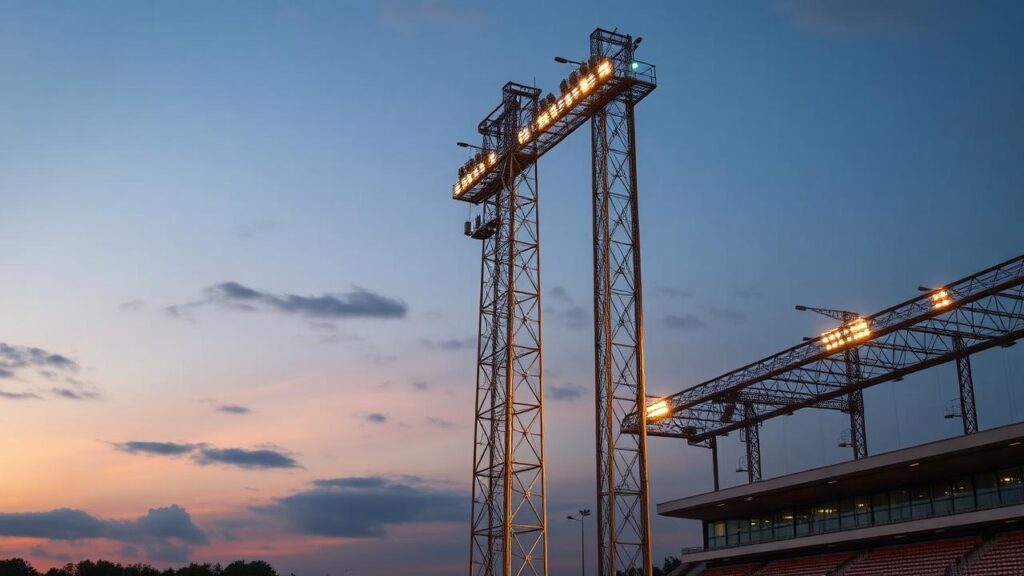
Electrical substations form the backbone of power transmission and distribution networks, stepping voltage levels up or down and routing electricity safely to end users. Proper electrical substation maintenance is critical to ensure uninterrupted power supply, extend equipment life, and maintain the highest safety standards.
RPTI Pvt. Ltd. specializes in the design, installation, testing, and maintenance of electrical substations from 11KV to 220KV, supporting industries, utilities, municipalities, and infrastructure projects across India.
Understanding the Importance of Substation Maintenance
Substation equipment operates under high electrical, thermal, and mechanical stress. Without systematic maintenance, even minor issues can escalate into major failures, safety incidents, or prolonged outages.
Effective maintenance helps to:
- Prevent unplanned power outages
- Improve equipment reliability and efficiency
- Ensure personnel and public safety
- Maintain regulatory and statutory compliance
- Reduce long-term operational costs
Types of Electrical Substation Maintenance
1. Preventive Substation Maintenance
Preventive maintenance involves scheduled inspections and testing to reduce the likelihood of failures.
Monthly Maintenance Tasks
- Visual inspection of transformers, breakers, and panels
- Checking for transformer oil leaks
- Verification of meters and indicator readings
- Cleaning of insulators and bushings
- Protection relay indication checks
Quarterly Maintenance Tasks
- Transformer oil sampling and laboratory analysis
- Battery bank health and discharge testing
- Circuit breaker operation count verification
- Earthing system resistance testing
- Infrared thermographic scanning
Annual Maintenance Tasks
- Complete transformer testing
- Relay testing, calibration, and functional checks
- Switchgear inspection and maintenance
- Power and control cable insulation resistance testing
- Protection coordination review
2. Predictive Substation Maintenance
Predictive maintenance uses advanced diagnostic tools to identify potential failures before they occur.
Key techniques include:
- Dissolved Gas Analysis (DGA): Detects internal transformer faults
- Partial Discharge Testing: Identifies insulation deterioration
- Thermography: Locates hot spots caused by loose or overloaded connections
- Ultrasonic Testing: Detects corona discharge, arcing, and insulation defects
3. Corrective Maintenance
Corrective maintenance is performed once faults are identified to restore equipment to optimal condition.
Typical corrective actions include:
- Replacement of faulty components
- Transformer oil filtration or replacement
- Bushing replacement
- Contact maintenance in switchgear
- Rectification of control and protection wiring
Critical Substation Components and Their Maintenance
Power Transformers
Transformers are the most critical and expensive assets in a substation.
Key maintenance activities include:
- Oil quality monitoring (BDV, moisture, acidity)
- Bushing condition assessment
- On-load and off-load tap changer maintenance
- Cooling system inspection (fans, pumps, radiators)
- Gasket and seal integrity checks
Circuit Breakers
Maintenance requirements vary depending on breaker type.
SF₆ Circuit Breakers
- SF₆ gas pressure and density monitoring
- Density relay testing
- Contact erosion measurement
- Operating mechanism lubrication and testing
Vacuum Circuit Breakers
- Vacuum integrity testing
- Contact gap measurement
- Opening and closing time analysis
Protection and Control Systems
Protection systems ensure rapid fault isolation, preventing equipment damage and safety hazards.
Maintenance includes:
- Relay testing and calibration
- CT/PT ratio and polarity verification
- Trip circuit supervision
- Backup protection coordination
Safety Protocols for Substation Maintenance
Before Maintenance Work
- Obtain approved work permits
- Implement lock-out / tag-out (LOTO) procedures
- Verify complete equipment isolation
- Test for absence of voltage
- Apply proper earthing
During Maintenance Work
- Use appropriate Personal Protective Equipment (PPE)
- Maintain minimum safe working distances
- Implement a buddy system
- Maintain communication with the control room
- Follow step and touch potential precautions
Modern Technologies in Substation Maintenance
Digital Substations
Digital substations using IEC 61850 protocol enable:
- Fiber-optic communication
- Process bus architecture
- Reduced copper wiring
- Improved monitoring and diagnostics
Remote Monitoring and SCADA
SCADA integration provides:
- Real-time monitoring of electrical parameters
- Alarm and event management
- Disturbance and fault recording
- Load flow and trend analysis
Cost–Benefit of Proper Substation Maintenance
| Aspect | Without Proper Maintenance | With Proper Maintenance |
|---|---|---|
| Unplanned Outages | High frequency | Minimal |
| Equipment Lifespan | 60–70% of rated | 100%+ of rated |
| Safety Incidents | Higher risk | Controlled |
| Repair Costs | Reactive & expensive | Planned & optimized |
Conclusion
Effective electrical substation maintenance requires a combination of preventive schedules, predictive diagnostics, corrective actions, and trained personnel. With ISO 9001:2015 certified processes, RPTI Pvt. Ltd. delivers comprehensive substation maintenance contracts and turnkey EPC solutions that ensure safety, reliability, and operational excellence.
Looking for substation maintenance or a new installation?
Our team of licensed electrical professionals is ready to support your power infrastructure from 11KV to 220KV with industry-best practices.